
The Indian government, barely four months ago, banned export of wheat from the country, and now on September 9 announced a ban on the export of broken rice. Let's understand why has government banned Rice exports and will this trigger an increase in prices?
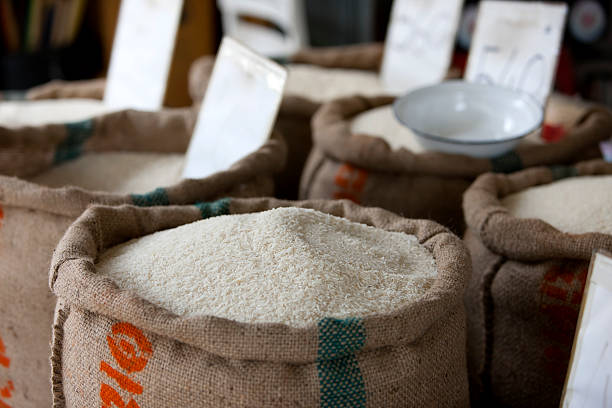
Importance of Indian Rice
During the April-August period of the current financial year, the country has already exported 9.35 million tonnes as against 8.36 million tonnes in the year-ago period.


Why Rice exports banned?
The government on Friday announced a ban on export of broken rice, a day after it imposed a 20% duty on exports of paddy, husked (brown)rice, and semi-milled rice.
The ban was imposed due to the expectation of a 10-12 million tonnes drop in rice production this year due to deficient rainfall in major rice producing states such as Uttar Pradesh, Bihar, Odisha and West Bengal.
Stocks at an all-time low
The move also came as the food grain stocks with the Food Corporation of India (FCI) are at their lowest in five years. As of August, combined rice and wheat stocks in the central pool stood at 52.3 million tonnes. The Centre had earlier this year begun replacing rice with wheat in its free food programme since wheat production also suffered from extreme heatwaves in March.
An unusual rise in Export
The Food Secretary said, domestic availability of broken rice, which is largely used for feeding livestock (as well as making ethanol), has become a concern. Between April to August, exports of broken rice rose by 4,168% against the comparable period in 2019, while the overall Rice exports grew by only 319% between 2018-19 and 2021-22, he added.
Price rise a major concern
Domestic price of broken rice jumped to 222 per kg from 216 per kg this year amid a surge in exports. Due to which, the poultry sector and animal husbandry farmers have been hit the most due to price hikes as 60-65% of input costs for poultry feed comes from broken rice and any price increase will reflect in poultry products like egg and meat.
Low Ethanol production
India has targeted to blend 20% ethanol with petrol by 2025, and to achieve this, grain-based (broken rice & maize) feed stocks have also been allowed for ethanol production. Food Secretary stated - in the current year, against the contracted quantity of 36 crore liters of ethanol, only about 16.36 crore liters (August 21) had been supplied by distilleries due to low availability of broken rice.

0 Comments