
To develop an integrated digital logistics system for quicker, less expensive, and safer logistics services, India will integrate 30 systems from different ministries. Let's know how it can be a game changer for the Indian economy!
The Policy
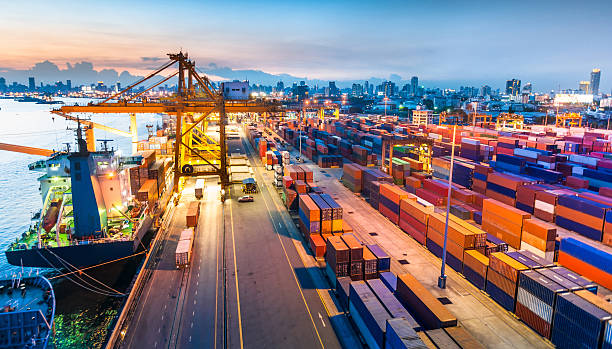
On September 17, Prime Minister Narendra Modi launched the National Logistics Policy. The policy introduces an integrated digital system (IDS) that will consolidate the departments of the ministries of commerce, international trade, customs, and aviation as well as road and rail transportation on one platform. Each of these departments has digital data of their own, which will be combined under IDS. This will facilitate the movement of cargo. "The National Logistics Policy is the first step in reducing logistics costs in India," said Modi in his speech to announce the same. "Performance of all ministries involved in the National Logistics Policy will be key in reducing logistics costs in India." He also said that it is policy plus performance that will energize all sectors and help transform the country into a developed nation by the end of Amrit Kaal, in 2047, when India will be celebrating its 100th year of independence.

The Implementation
A comprehensive institutional framework that will oversee the logistics industry and increase its competitiveness will be made possible by the policy, which will also facilitate a unified policy and regulatory environment for end-to-end logistics services. The government, both at the central and state levels, would create a master logistics plan that would cover initiatives planned by many ministries to ensure multi-modality, an ideal modal mix, and connectivity for first and last-mile connectivity.
A Game Changer?
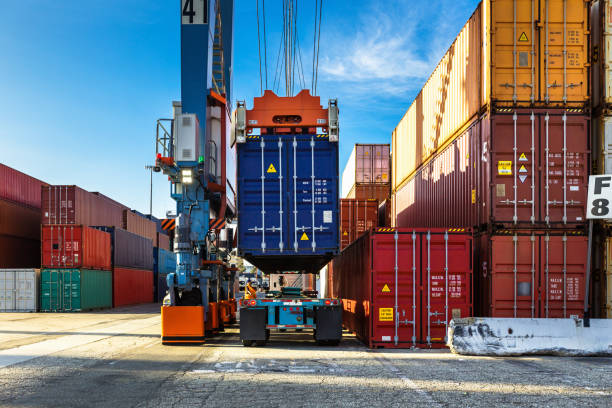
By the year 2030, India aims at lowering its logistics costs to 8% of GDP and moving up the logistics performance index from position 44 in 2018 to 25. According to estimates, currently, the logistics industry accounts for 15% of the national GDP. The National Logistics Policy, in conjunction with the Gati Shakti Programme, the Sagarmala and Bharatmala (waterways and roadways) schemes, the Dedicated Freight Corridors, etc. can be transformational.

Bottom-line
The policy also paves the way for the adoption by states and central ministries of a framework for the creation of Multi-modal Logistics Parks (MMLPS). This tries to seamlessly integrate different forms of transportation. The policy's main goal is to streamline operations by establishing a single point of contact for business-to-business and business-to-government transactions and ensuring the secure exchange of digital data.


0 Comments